What Every Landlord Should Know About Termite Control Services

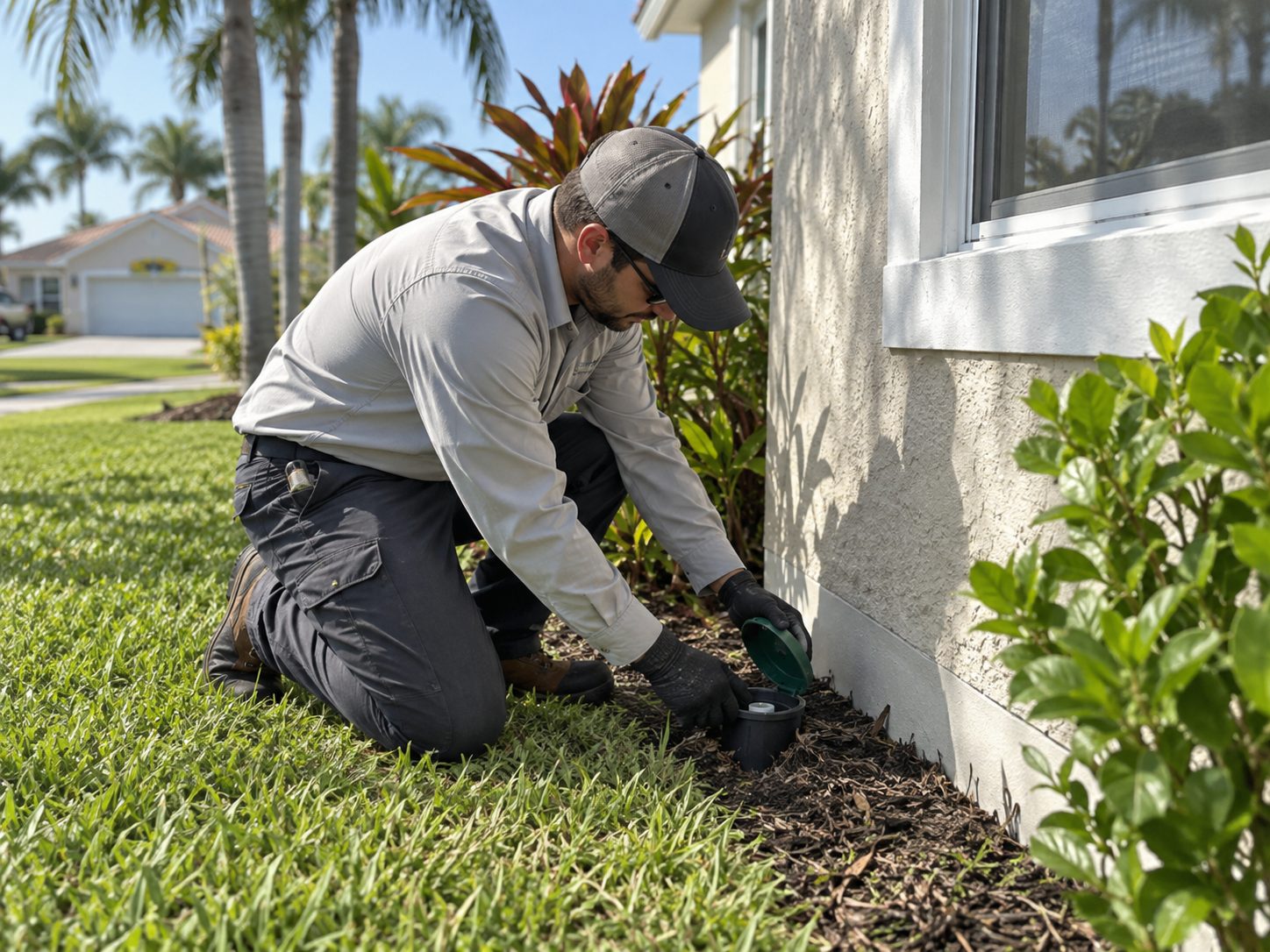
Owning rental property teaches a hard lesson early: the problems that cost the most are rarely the loud ones. A broken water heater announces itself. A roof leak usually leaves a stain. Termites are different. They work quietly, often for months or years, and by the time a tenant notices a warped baseboard or a sticky window frame, the damage may already be expensive.
For landlords, termite risk is not just a maintenance issue. It affects asset value, habitability, insurance conversations, tenant relations, renovation budgets, and sometimes legal exposure. A property can look clean, well painted, and professionally managed while pests are chewing through structural wood behind the walls. That is why termite control belongs in the same category as plumbing inspections and roof maintenance: routine, strategic, and worth budgeting for before there is a crisis.
Many owners make one of two mistakes. The first is assuming termites are only a concern for old homes or neglected buildings. The second is waiting until there is visible damage to call for help. Both assumptions are costly. Newer buildings can have termite activity. Well-kept buildings can have termite activity. Properties with no obvious wood rot can still have termite activity. Moisture, soil contact, landscaping choices, construction details, and local climate all matter.
If you lease out single-family homes, duplexes, small multifamily buildings, or mixed-use property with wood framing, you need a practical understanding of how Termite Control Services work, what they do well, what they do not do, and how to manage the process without wasting money.
Why termites matter more to landlords than to owner-occupants
A Termite Control Services homeowner may put off treatment for personal financial reasons and accept some risk in the short term. A landlord operates differently. You are responsible for preserving income-producing property, responding to tenant complaints, and maintaining safe, livable premises. Termite damage undermines all three.
There is also a timing problem unique to rentals. Tenants usually do not inspect a home the way an owner does. They notice what affects daily life: ant trails on the kitchen counter, a leaky faucet, an appliance that stops working. Termite evidence is subtler. Mud tubes in a crawl space, hollow-sounding trim, bubbling paint near a baseboard, and discarded wings near a window may go unreported or unrecognized. By the time a tenant says, “This door has started rubbing and the floor feels odd here,” the issue may be well advanced.
Turnover can make things worse. During vacancy, the property may be unoccupied long enough for activity to continue without interruption. Then, just as a new tenant is moving in, an inspector or contractor opens a wall and finds damage. That is the kind of surprise that eats into profit quickly, because you are no longer just treating pests. You are delaying occupancy, extending make-ready work, and potentially paying for structural repair.
The basic termite picture landlords should understand
Not every termite problem looks the same. In many regions, subterranean termites are the main concern. They live in soil and travel into structures through shelter tubes or hidden gaps. Their need for moisture is one reason they are often tied to drainage problems, wood-to-soil contact, plumbing leaks, or damp crawl spaces.
Drywood termites are different. They do not need contact with soil in the same way and can infest wood directly. They are more common in some climates than others, particularly warmer coastal areas. Their treatment methods often differ from subterranean termite work.
This distinction matters because the right answer depends on the species, the structure, and the extent of activity. A landlord who assumes all termite issues are solved with one generic spray usually ends up disappointed. Professional Termite Control Services should start with identification and inspection, not a one-size-fits-all sales pitch.
What a good termite inspection actually covers
A proper inspection is more than a quick walk around the exterior. The technician should look for evidence of activity, conditions conducive to infestation, and barriers to treatment. That includes exterior foundation lines, crawl spaces, attics where relevant, garages, plumbing penetrations, slab cracks, expansion joints, porches, fence attachments, and any area where wood meets soil or moisture accumulates.
In rental housing, access can be the deciding factor between a useful inspection and a superficial one. If a unit is tenant-occupied, the inspector may not be able to reach all closets, utility spaces, or storage-heavy rooms. In multifamily buildings, utility chases and shared crawl spaces can complicate the picture. That is one reason experienced landlords schedule inspections during turnover whenever possible. Empty units reveal more.
A thorough inspector also pays attention to the surroundings. Mulch piled too high against siding, dense shrubbery trapping moisture, downspouts dumping water near the foundation, leaking hose bibs, and stacked firewood near the building all increase risk. These are not always the direct cause of an infestation, but they are often part of the story.
The warning signs landlords should never ignore
There are a handful of clues that deserve immediate attention, especially in a rental.
- Mud tubes on foundation walls, piers, or crawl space surfaces
- Discarded wings on windowsills, floors, or near light sources
- Soft, blistered, or hollow-sounding wood trim and baseboards
- Doors and windows that suddenly stick without another clear cause
- Paint that bubbles or surfaces that look water-damaged when no leak is found
None of these signs proves the full extent of damage on its own, but each is enough to justify a professional inspection. Landlords sometimes lose time trying to diagnose the problem themselves. That is understandable, especially if you own several units and want to avoid unnecessary service calls. But termites are one of those areas where delay tends to cost more than the inspection fee.
Prevention is cheaper, but only if it is specific
“Prevent termites” sounds simple until you see how often generic advice misses the actual vulnerabilities of a building. Prevention is not magic. It is a set of boring, repeatable decisions that reduce the chance of infestation and improve early detection.
Moisture control is usually the first priority. Gutters that overflow near the foundation, HVAC condensate lines that keep soil wet, poor crawl space ventilation, and unaddressed plumbing leaks all create favorable conditions. If you have ever repaired termite damage around a bathroom wall or under a kitchen sink, you learn quickly that termites and moisture problems often arrive together.
Wood-to-soil contact is another classic issue. Fence posts attached to the home, lattice, siding installed too low, untreated wood steps, or planters built against exterior walls can all create hidden access points. Termite Control Services Landscaping choices matter more than many landlords realize. Thick mulch is not the enemy by itself, but when it is piled against siding and stays damp, it stops being decorative and starts becoming part of the risk profile.
Storage habits count too. In small rental homes, tenants often place cardboard boxes, old furniture, or wood scraps in garages or crawl access areas. Those items do not automatically cause termites, but clutter reduces visibility and makes inspections harder. A problem that could have been seen in five seconds can remain hidden for another season.
How Termite Control Services are typically delivered
The phrase Termite Control Services covers several different approaches. Understanding the broad categories helps landlords ask better questions and compare estimates more intelligently.
Soil treatments are common for subterranean termites. These create a treated zone around or beneath parts of the structure, depending on design and access. In some properties, that means trenching around the perimeter. In slab construction, it can involve drilling through concrete in selected areas to reach soil beneath. When done well, this can be highly effective, but quality depends on thoroughness, correct application, and whether the building’s layout allows complete coverage.
Baiting systems work differently. Stations are installed in the ground around the property and monitored over time. They can be useful for detecting and suppressing colonies, and many owners like them because they are less intrusive than drilling and trenching. The trade-off is that baiting is not a set-it-and-forget-it solution. It depends on regular monitoring and service discipline. If a company sells a bait system and then maintenance becomes inconsistent, the value drops fast.
Localized wood treatments may be used where activity is limited or where accessible wood can be treated directly. These can play an important role, but they are not always enough as a standalone strategy for a broader infestation.
In some cases, especially where drywood termites are involved, more extensive treatment may be recommended. Depending on region and infestation pattern, that could range from localized treatment to whole-structure fumigation. Fumigation is disruptive, requires careful planning, and is not every landlord’s first choice, but there are situations where it is the cleanest and most reliable option.
Choosing between treatment options requires judgment
Price alone is a poor guide. The cheapest proposal often covers the least, and the most expensive is not automatically the best fit. What matters is whether the treatment matches the termite species, the construction type, and the property’s risk factors.
A slab-on-grade rental built close to grade with multiple additions may present different treatment challenges than a raised foundation bungalow with excellent crawl space access. A duplex with chronic drainage issues may need moisture corrections before any pest treatment can perform as expected. A historic wood-frame property may call for a more careful approach because repair methods and access limitations complicate everything.
This is where landlord experience matters. You are not buying a chemical. You are buying diagnosis, application quality, monitoring, documentation, and follow-through. Two companies may offer the same general category of treatment, yet produce very different long-term results because one is methodical and the other is rushed.
Questions worth asking before you sign a termite contract
Most landlords do not need to become termite experts, but they do need enough knowledge to pressure-test a proposal. A good contractor should be able to answer practical questions clearly.
- What termite species are you treating for here?
- How much of the structure can you actually access and treat?
- What preparation is required from tenants or management before service?
- What does the warranty cover, and does it include retreatment, damage repair, or both?
- How often will follow-up inspections or monitoring occur?
That last point deserves emphasis. Many owners assume a warranty means any future termite issue is fully covered. Sometimes it only means the company will retreat if termites return. Sometimes damage repair is excluded. Sometimes the warranty remains valid only if annual inspections are completed on schedule. Those details matter.
Warranties are useful, but they are not all the same
A termite warranty can be valuable, especially for rental properties you plan to hold long term. It can also be misunderstood. Some agreements focus on retreatment only. Others may offer limited repair coverage, subject to terms, exclusions, and proof that the infestation occurred after the warranty began. Access limitations, construction changes, landscaping changes, and missed annual services can affect coverage.
For a landlord, documentation is just as important as the treatment itself. Keep copies of inspection reports, diagrams, invoices, warranty terms, renewal dates, and any communication about inaccessible areas or recommended repairs. If you ever sell the property, refinance it, or face a dispute over when damage occurred, those records help.
A practical point from the field: if a technician notes inaccessible areas, treat that note seriously. It is not administrative fluff. It means a part of the building could not be assessed or protected the way the company intended. Sometimes the fix is simple, such as clearing stored items or improving crawl space access. Ignoring it can undermine the entire service plan.
Tenant communication can make or break the process
Even excellent Termite Control Services become messy when tenants are not informed properly. Access problems, missed appointments, and panic about chemicals are common when communication is vague.
Tenants should know why the service is happening, what areas need to be accessible, whether they need to move belongings, how long the visit will take, and whether any follow-up is required. If drilling, trenching, or bait station placement is involved, tell them in plain language what to expect. People handle disruption much better when there are no surprises.
It also helps to teach tenants what to report. A short move-in maintenance guide can include a sentence or two about mud tubes, swarming insects near windows, and damaged wood. You are not asking them to diagnose termites. You are simply increasing the chance of early notice.
In multifamily settings, consistency matters. If one unit receives attention but adjacent units do not get inspected when conditions suggest a broader issue, you may solve only part of the problem. Termites do not respect lease lines.
Repair costs are often driven by discovery, not just damage
Landlords usually ask the same question first: how much will termite treatment cost? The more important question is often what happens if damage is found after treatment begins.
Treatment addresses the infestation. It does not automatically repair framing, trim, flooring, cabinetry, or subfloor damage already present. Once contractors start opening walls or pulling trim, they may find that the visible problem was only the surface layer. A small patch of damaged door casing can lead to sill plate repair, floor leveling work, or moisture remediation nearby.
That is why prompt action matters. In many cases, the difference between a manageable repair and a painful renovation is not the species of termite. It is how long the infestation was allowed to continue. On rentals, even a few months can matter if a leak or drainage issue is feeding the problem.
Insurance is usually not your safety net
Many landlords assume property insurance will step in if termite damage becomes severe. Often it will not. Pest damage is commonly treated as preventable maintenance rather than sudden accidental loss. Policy terms vary, and owners should verify them with their carrier, but relying on insurance for termite damage is a poor plan.
That reality changes the math. Preventive inspections, moisture corrections, and timely treatment are not optional “nice to have” expenses. They are part of protecting the asset in a category where reimbursement is often limited or unavailable.
The regional factor is impossible to ignore
Termite risk is not evenly distributed. Climate, soil conditions, building style, and local termite species all shape what a sensible service plan looks like. In some areas, annual inspection is standard. In others, an active baiting program or a more robust treatment history is common. A landlord with properties in multiple markets should avoid assuming the same schedule works everywhere.
Local experience matters. A contractor who understands how termites behave in your specific area, not just in theory, will usually provide better guidance on inspection timing, seasonal swarms, and the treatment methods most likely to perform well under local conditions.
When to be proactive, not reactive
The best time to schedule termite attention is before there is a visible problem. For most landlords, that means incorporating inspections into routine property operations. Turnovers are ideal. Pre-purchase due diligence is essential. Major renovations are another smart opportunity, because exposed framing and open access can reveal hidden issues that would otherwise go unnoticed.
Owners of older wood-frame properties, homes with crawl spaces, or buildings with a history of drainage problems should be especially disciplined. The same goes for properties where landscaping has matured and now holds more moisture close to the structure than it did years ago.
A useful rule is this: if you are already spending money on flooring, trim, siding, bathroom repairs, or subfloor work, it is worth asking whether termite inspection should happen at the same time. Coordinating these efforts can save money and prevent reopening finished work later.
What smart landlords budget for
The most effective landlords do not treat termite work as a random emergency expense. They build it into a larger maintenance strategy. That may include periodic inspections, annual warranty renewals, moisture control improvements, crawl space work, drainage corrections, and occasional invasive follow-up if evidence appears.
There is no universal budget number that fits every property. A small, well-maintained rental in a low-risk setting may need little beyond inspections and good moisture control. A larger, older property in a high-pressure termite region may justify a more active plan. The point is not to overspend. It is to stop pretending the issue is too rare to plan for.
Seasoned owners understand that pest control in rentals is rarely just about pests. It is about preserving structures, protecting occupancy, and avoiding the kind of hidden deterioration that wrecks returns over time. Termites are one of the clearest examples of that principle. When you approach Termite Control Services with that mindset, you make better decisions, ask better questions, and put your properties in a far stronger position.
Maximum Pest Control
836 NE 7th Terrace Suite #5
Cape Coral, FL 33909
+1 239-772-7363
FAQ About Termite Control Services
What are two signs of a termite infestation?
Mud tubes along a foundation and piles of shed wings near doors or windows are two signs to investigate. Mud tubes are associated with subterranean termites. A licensed inspector can identify the insect and assess whether there is active infestation.
How many years does a termite treatment last?
There is no single timeline for all treatments. The method, site conditions, and maintenance affect how long protection lasts. Bait systems rely on monitoring and service. Ask the provider for the recommended inspection schedule and the terms of any coverage.
Is Termite Treatment Expensive in Cape Coral?
Cost depends on the termite species, the size and construction of the property, the extent of activity, and the treatment method. Request a written estimate after inspection and ask whether monitoring, follow-up visits, and renewals are included.